
In Conversation
The
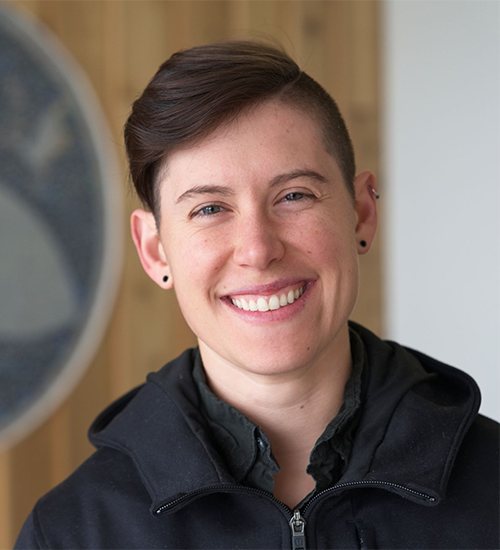
Mariel Hammond Interview
What inspired you to pursue your current career path?
I have been inspired by athletics since I could remember. I started playing soccer on the boys team at 5 years old, was the quarterback of my all-male flag football team by 12, made varsity on the women's basketball team at 15, and made Team USA for Ultimate Frisbee at 29. As a lifelong athlete, I battled through many injuries, including a bad left knee that I struggled with throughout the majority of my youth, which held me back in many ways. I remember the sadness and hopelessness I felt during those years trying to continue being a high-level athlete, the feeling I had after knee surgery at 16, and how hard I fought to make it back to playing at the level I was capable of. I knew during those years that if I could learn how to help heal myself, and others, through these types of injuries, I could keep my sense of autonomy and hold onto who I was meant to be. Those early struggles have really helped me connect with and relate to my athletes now who are facing similar struggles of lost self-identity, hopelessness, and fear. Watching an athlete move through these complex feelings, find themselves again, and return to their sport injury-free has really inspired me to continue learning and trying to be the best physical therapist I can be.
What was one defining moment early in your career?
My first job out of school was at a busy orthopedic clinic in Portland, OR. I worked four 10-hour shifts weekly, seeing clients every 30 minutes. There were days I treated upwards of 17 clients in one day! I learned very early in my career that this setting did not match my values - I did not have time to connect deeply with their stories, learn about their histories, or form relationships that I feel are needed for full recovery. I also did not have time to discuss their workout plans or communicate with them on their progress outside of our treatment sessions. Not settling, and moving on from that setting after a year of practice to a sports physical therapy clinic with other like-minded physical therapists who could mentor me, was a huge defining moment and no doubt has helped me get to where I am today.
What does a typical day look like in your role?
On a typical day at the office, I would treat anywhere from 5 - 8 athletes, each in 1-hour-long treatment sessions one-on-one, including discussing and modifying their home exercise program or strength and conditioning program. These treatment sessions usually include some form of manual therapy (soft tissue work, joint mobilization, etc.) followed up by therapeutic exercises that are targeted to meet the athlete where they are at in their rehab journey. I provide encouragement, explanations of what and why we are doing the things we are doing, and clarity for athletes in times of uncertainty. I also respond to client emails and texts daily, as well as perform admin tasks around the clinic such as cleaning up the weight room, writing and editing blog posts, and sending out personalized athlete strength and conditioning programs as needed.
Which skills have been most valuable to your success?
As a physical therapist, I like to joke that not only is it my job to rehab your physical body, I am also acting as a "mental health" therapist as well. Knowing how to meet clients where they are at emotionally is just as important as understanding what it takes to physically rehab an athlete out of pain. In my field, I am working with highly motivated, driven, and elite-level individuals who are experiencing both physical and emotional struggles. Addressing only the physical body without understanding and addressing the mental side of rehab is leaving a ton of progress on the table in my opinion. Having empathy, excellent motivational interviewing and communication skills, and understanding when to push an athlete and when to let off are invaluable skills that have led to my success in this field.
What's one change you'd like to see in your industry?
As a practicing physical therapist, I get questions regularly from young clients about my career and how they should go about following in my footsteps. In all honesty, I tell them that getting through physical therapy school is challenging, but the real challenge is the financial aspect of getting a DPT (Doctorate of Physical Therapy). In our current climate, DPT students are coming out of school with an average of $150k - $200k of debt - a number that is far too large for individuals whose average annual earnings are around $85k. This debt-to-income ratio makes it hard for me to recommend this profession to my young athletes. I would love to see our earning potential increase, the reimbursement rates from insurance companies go up, and for more people to really see and value our worth.
How would you describe your leadership style?
I am definitely a "lead from the front" kind of person. I describe myself as passionate, inclusive, and charismatic. I value honesty, empathy, and hard work, and expect my clients to share those attributes when it comes to their own rehab journey. I understand when it is necessary to show some "tough love" to my athletes when they are slacking, but also understand when a listening ear or shoulder to cry on is more important to reaching our goals. I strive to be someone people can count on, but also expect my athletes to uphold their end of the bargain. In reality, it is my job as a physical therapist to provide "tools for the toolbox," but ultimately up to the athlete to use those tools to reach their goals. The mark of a good leader is someone who can get the most out of their clients - and I believe using a good mixture of encouragement, empathy, honesty, and direct communication is the best path forward.
What's one challenge you turned into an opportunity?
In 2020, I had just made Team USA for Ultimate Frisbee when the COVID-19 virus shut down all sports and the Worlds event was cancelled. When sports resumed in 2021, I ruptured a tendon in my knee just a few months back into sport, ending my season and potentially even my athletic career.
The opportunity to rehab myself physically, as well as go through the emotional turmoil of what it meant to be an injured athlete, gave me the best opportunity to understand deeply how my clients felt in the midst of their own internal battles, as well as get intimate experience at each step of the rehab process going through a major knee injury.
This experience also led me to my current job as a cash-based sports physical therapist - an opportunity that, prior to my injury, I was afraid to pursue. Now, four years later, I can confidently say I am exactly where I need to be in my life and in my career.
What advice would you give to someone just starting out?
Having gone through many iterations of clinical practice at this point in my career, I can confidently say that young clinicians should not settle for a job that does not match their values. Continue to search for a setting that defines who you want to be as a provider. Make sure you have effective mentorship and that you look up to your coworkers and can learn from them. Our profession is ever-changing - surround yourself with individuals who are just as passionate as you are about growth. Understand your worth, and advocate for yourself financially. Lastly, it is okay to experience compassion fatigue and burnout - we all do! Maintaining a sense of balance with work and life will help you in the long run to have a full and rewarding career.


Begin
Ready to share your story?
Create a first-person Q&A profile of your own - a considered, lasting record entirely in your own words.