
In Conversation
The
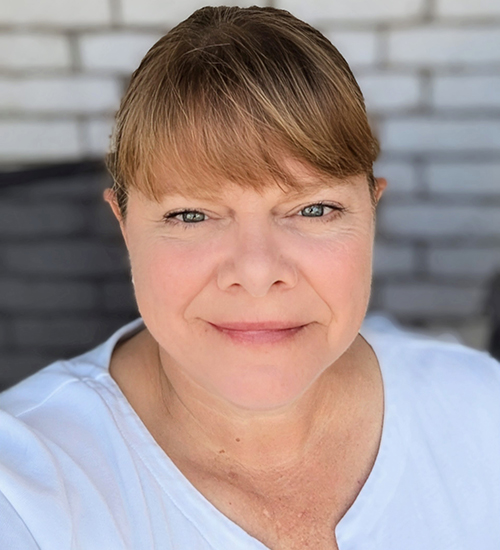
Jennifer Smith Interview
How would you describe your professional background in a few sentences?
I am an educator, curriculum designer, and writer with over 15 years of experience teaching secondary English and reading. My background includes serving as a National Guard 88M and later earning an Ed.D. in Secondary Curriculum and Instruction, where I focused on literacy, social-emotional learning, and student engagement. Currently, I serve as an AmeriCorps VISTA capacity-builder with the Military Child Education Coalition, where I design professional development programs and resources that support military-connected students and the professionals who serve them.
Who or what influenced your professional direction most?
My professional direction was most influenced by two pivotal experiences: my high school AP Literature teacher, who ignited my love for language and storytelling, and my deployment to Afghanistan, where I witnessed firsthand how education, and the lack of it, shapes children's futures. Those moments, one in a classroom and one in a war zone, taught me that words and education can both heal and empower. They continue to guide my work as an educator, curriculum designer, and advocate for military-connected students.
How do you define success in your current position?
I define success in my current position by the impact my work has on the professionals and families who serve military-connected students. Success means developing sustainable programs and resources that continue to build capacity long after my VISTA term ends - training educators who feel more confident supporting highly mobile students, creating partnerships that expand MCEC's reach, and ensuring that every child's story is seen and valued. It's not just about completing deliverables; it's about leaving behind systems that make a lasting difference in how schools respond to military life transitions.
Which skills have been most valuable to your success?
The skills that have been most valuable to my success are adaptability, research, and communication. My time in the military taught me discipline, teamwork, and the ability to perform under pressure. These skills translate directly into leading projects and supporting diverse teams. Earning my Ed.D. strengthened my research and analytical abilities, allowing me to design data-driven programs that meet real needs in education. Combined with my experience as a teacher and curriculum designer, these skills help me create innovative, evidence-based solutions that serve both educators and military-connected students effectively.
What's one change you'd like to see in your industry?
One change I'd like to see in education is a stronger focus on building student self-efficacy - helping students truly believe in their ability to learn, adapt, and succeed. Too often, systems emphasize performance over confidence. When we intentionally design instruction and support networks that nurture self-belief, especially for highly mobile or lower performing students, we empower them to take ownership of their learning and persist through challenges. Confidence is the foundation of achievement, and it should be treated as a core educational outcome, not an afterthought.
How would you describe your leadership style?
I would describe my leadership style as collaborative, compassionate, and purpose-driven. I lead by example and believe in empowering others through trust, clear communication, and shared ownership of goals. My military experience taught me the value of structure and accountability, while my years as an educator showed me that true leadership is about listening, mentoring, and creating space for others to grow. Whether guiding a team or facilitating professional development, I focus on building relationships that inspire confidence, creativity, and collective success.
Who or what played a key role in your success story?
My family, especially my two sons, has played the most significant role in my success story. They've been both my motivation and my grounding force through every chapter of my career. Watching them grow has deepened my understanding of resilience, empathy, and the power of education to shape identity and opportunity. Their experiences remind me daily why I do the work I do: to create environments where every child feels seen, supported, and capable of success no matter their circumstances.
How do you hope to make an impact in the future?
I hope to continue making an impact by expanding access to equitable, high-quality education for all students, especially those who are academically and behaviorally challenged. My goal is to develop training, resources, and curricula that empower educators to recognize and respond to the often unseen barriers these students face. Beyond program design, I hope to inspire a cultural shift in education - one that values connection, empathy, and student voice as much as academic achievement. Ultimately, I want my work to leave a legacy of stronger systems and more confident learners who know their stories and strengths matter.

Begin
Ready to share your story?
Create a first-person Q&A profile of your own - a considered, lasting record entirely in your own words.